Construction is the backbone of development, and quality building materials are the foundation of every strong, durable, and long-lasting structure. Whether it is residential, commercial, or industrial construction, selecting the right materials plays a crucial role in ensuring safety, strength, and sustainability.
At the core of every successful construction project lies a combination of high-quality materials, expert planning, and reliable supply. From cement and steel to sand, bricks, and modern construction solutions, every element contributes to building a structure that stands the test of time.Importance of Quality Building Materials
Using premium-quality building materials is essential for creating structures that are safe, stable, and durable. Poor-quality materials can lead to cracks, structural damage, and increased maintenance costs over time.
High-quality materials offer:
-
Strength and durability for long-lasting structures
-
Safety and stability for residential and commercial buildings
-
Resistance to weather conditions like heat, rain, and humidity

-
Cost-effectiveness by reducing repair and maintenance expenses
Choosing the right materials not only ensures the longevity of a building but also enhances its overall appearance and value.
Types of Construction Materials
Construction materials are broadly classified into traditional and modern materials. Each type serves a specific purpose depending on the project requirements.
1. Cement
Cement is one of the most essential building materials used in construction. It acts as a binding agent in concrete and mortar, providing strength and stability to structures. High-grade cement ensures durability and resistance to environmental conditions.
2. Sand
Sand is widely used in construction for making concrete, plaster, and mortar. It helps in filling gaps and provides a smooth finish to surfaces. Different types of sand, such as river sand and manufactured sand (M-sand), are used based on project needs.
3. Bricks
bricks are traditional building materials Bused for constructing walls and structures. They are known for their strength, insulation properties, and cost-effectiveness. Modern alternatives like fly ash bricks are also gaining popularity due to their eco-friendly nature.
4. Steel
Steel is used for reinforcement in concrete structures. It provides tensile strength and helps buildings withstand heavy loads, earthquakes, and other external forces. High-quality steel ensures structural safety and durability.
5. Aggregates
Aggregates such as crushed stone, gravel, and sand are used in concrete production. They form the bulk of concrete and play a vital role in determining its strength and performance.
6. Concrete
Concrete is a combination of cement, sand, aggregates, and water. It is one of the most widely used construction materials due to its versatility, strength, and durability. Reinforced concrete is commonly used in modern construction.
7. Tiles and Flooring Materials
Tiles, marble, granite, and other flooring materials enhance the aesthetic appeal of buildings. They are available in various designs, textures, and finishes to suit different styles and preferences.
8. Plumbing and Electrical Materials
Pipes, fittings, wires, and electrical components are essential for the proper functioning of any building. High-quality materials ensure safety, efficiency, and long-term performance.
Modern Construction Materials
With advancements in technology, modern construction materials are becoming increasingly popular. These materials offer better performance, sustainability, and efficiency.
Some modern materials include:
-
Fly ash bricks – eco-friendly and durable
-
AAC blocks – lightweight and energy-efficient
-
Ready-mix concrete – convenient and time-saving
-
Waterproofing chemicals – protect structures from moisture
-
Insulation materials – improve energy efficiency
These innovative materials help in reducing construction time and improving overall quality.
Role of Building Material Suppliers
Reliable building material suppliers play a crucial role in the construction industry. They ensure the timely availability of quality materials at competitive prices.
A good supplier offers: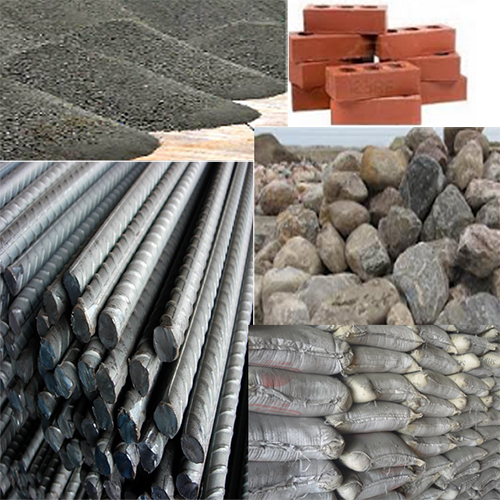
-
Wide range of construction materials
-
Assured quality and certified products
-
Timely delivery and logistics support
-
Competitive pricing
-
Expert guidance and customer support
Choosing the right supplier can significantly impact the success of a onstruction project.
Sustainable Construction Materials
Sustainability is becoming an important aspect of modern construction. Eco-friendly building materials help reduce environmental impact and promote green construction practices.
Examples include:
-
Recycled materials
-
Fly ash bricks
-
Bamboo and natural materials
-
Energy-efficient insulation
Using sustainable materials not only benefits the environment but also reduces energy consumption and operational costs.
Tips for Choosing the Right Materials
Selecting the right construction materials is essential for ensuring the success of any project. Here are some key tips:
-
Always choose high-quality and certified materials
-
Consider the type and purpose of construction
-
Compare prices without compromising on quality
-
Check for durability and weather resistance
-
Consult with experts or engineers
Making informed decisions helps in avoiding future problems and ensures a smooth construction process.
Conclusion
Construction and building materials form the foundation of every structure. From traditional materials like cement and bricks to modern innovations like AAC blocks and ready-mix concrete, each component plays a vital role in building strong, safe, and beautiful structures.
Investing in high-quality materials and choosing reliable suppliers ensures durability, safety, and long-term value. Whether you are constructing a home, office, or commercial space, the right materials make all the difference
Where to Buy Bulk Cement and Steel Supplies for Construction
Buying cement and steel in bulk is one of the most important decisions in any construction project. Whether you are building a home, commercial space, or large infrastructure, choosing the right supplier ensures cost savings, quality assurance, and timely delivery. Bulk purchasing not only reduces expenses but also guarantees a consistent supply of materials throughout the project.
Today, there are multiple options available for sourcing bulk cement and steel, including local suppliers, wholesale dealers, online platforms, and direct manufacturers. Understanding where to buy and how to choose the right supplier can make a huge difference in your construction success.
1. Local Bulk Suppliers Near You
For contractors and builders, local suppliers are often the most convenient and reliable option. They provide faster delivery, easy communication, and flexible order quantities.
Here are some trusted suppliers near your area (Daund / Pune region):
-
Diksha Industries – A wholesale supplier of TMT steel bars and cement, suitable for bulk construction needs.
-
Jaferani Steel Yard – A well-known steel distributor offering bulk steel materials for construction projects.
-
SS RMC – Provides ready-mix concrete, ideal for large-scale construction work.
-
BK Traders & Company – Supplies various building materials including cement and steel in bulk.
-
Mauli Steel Traders – A local option for steel procurement in bulk quantities.
-
Shriram Building Materials Supplier – Offers a range of construction materials including cement.
-
Nirman Sales Agency – Known for supplying building materials with reliable service.
Local suppliers are ideal for:
-
Quick delivery
-
Lower transportation cost
-
Easy negotiation for bulk pricing
-
Ongoing supply during construction
2. Wholesale Dealers and Distributors
Wholesale dealers specialize in supplying large quantities of cement and steel at competitive prices. They often work directly with manufacturers and offer multiple brands.
For example, suppliers like wholesale dealers provide:
-
OPC, PPC, and PSC cement varieties
-
TMT steel bars of different grades (Fe-500, Fe-550)
-
Bulk discounts for contractors and builders
Wholesale distributors are best for:
-
Large residential or commercial projects
-
Contractors handling multiple sites
-
Cost-effective bulk purchasing
3. Online Construction Material Platforms
With digital growth, many builders now prefer online platforms to order cement and steel in bulk. These platforms simplify procurement by offering price comparison, doorstep delivery, and bulk discounts.
Online suppliers provide:
-
Easy ordering and instant quotes
-
Bulk discounts for large orders
-
Delivery within 24–48 hours in many areas
-
Payment options like UPI, credit, and invoicing
Online buying is suitable for:
-
Busy contractors
-
Transparent pricing needs
-
Comparing multiple brands quickly
4. Direct Purchase from Manufacturers
For very large projects like infrastructure or commercial buildings, buying directly from manufacturers or cement plants can be highly beneficial.
Bulk materials can be sourced:
-
Directly from cement plants
-
Through authorized distributors
-
From approved steel manufacturers
Advantages include:
-
Lowest possible cost
-
Guaranteed quality
-
Bulk logistics support
However, this option usually requires:
-
Large minimum order quantities
-
Advance planning and storage
5. National-Level Suppliers & Logistics Companies
Large suppliers and trading companies operate across India and provide bulk cement and steel with logistics support.
Companies like national suppliers offer:
-
Cement, steel, roofing, and electrical materials
-
Transportation and supply chain services
-
Bulk delivery across multiple locations
These suppliers are ideal for:
-
Large contractors
-
Multi-city projects
-
Industrial construction
6. What to Check Before Buying Bulk Materials
Before purchasing cement and steel in bulk, consider the following factors:
Quality Certification
Always check for ISI-certified cement and branded steel to ensure durability and safety.
Price Comparison
Compare prices from at least 2–3 suppliers to get the best deal.
Delivery and Logistics
Ensure the supplier can deliver materials on time to avoid construction delays.
Storage Facilities
Bulk materials require proper storage to prevent damage (especially cement).
Supplier Reputation
Choose suppliers with good reviews and consistent service.
7. Popular Cement and Steel Brands in India
When buying in bulk, choosing trusted brands ensures quality and long-term performance.
Common cement brands:
-
UltraTech Cement
-
Ambuja Cement
-
ACC Cement
Common steel brands:
-
Tata Tiscon
-
JSW Steel
-
Jindal Steel
Many wholesale suppliers deal in these brands and provide competitive pricing for bulk orders.
8. Benefits of Buying in Bulk
Bulk purchasing offers several advantages:
-
Lower cost per unit
-
Consistent material quality
-
Reduced transportation expenses
-
Uninterrupted construction workflow
Bulk buying is especially beneficial for:
-
Contractors
-
Builders
-
Real estate developers
Conclusion
Finding the right place to buy bulk cement and steel is crucial for any construction project. Local suppliers provide convenience and quick delivery, while wholesale dealers and online platforms offer competitive pricing and variety. For large-scale projects, direct purchasing from manufacturers ensures maximum cost efficiency.
If you are working in the Daund or Pune region, suppliers like Jaferani Steel Yard or Diksha Industries can be excellent starting points for bulk procurement.
By choosing reliable suppliers, comparing prices, and ensuring quality, you can build strong, durable structures while keeping your project within